Looking at the top five trends around conversational AI in 2024 and beyond to enhance your sales funnel.
The convergence of artificial intelligence and human interaction has ignited a revolution. Conversational AI, powered by sophisticated natural language processing (NLP) and machine learning (ML) algorithms, is transforming the way businesses strategize the sales funnel through visitor engagement and lead nurturing.
Embracing conversational AI is not just about adopting a new technology; it’s about understanding the power of personalized interactions, leveraging data-driven insights, and prioritizing customer experiences at every touchpoint.
On that note, the following emerging trends that could shape the chatbot sales funnel in 2024 and beyond.
Trend I: AI-Powered Chatbots as Sales Enablers
AI-powered chatbots are revolutionizing the way businesses interact with potential customers and drive conversions. These intelligent chatbots can interact with customers naturally and engagingly, providing personalized interactions and answering questions 24/7.
This makes them ideal for use in the sales funnel, where they can be used to:
- Qualify leads: Chatbots can ask potential customers questions about their needs and interests to determine if they are a good fit for your product or service. This can help you to focus your sales efforts on the most promising leads.
- Nurture leads: Chatbots can provide information and answer questions to keep potential customers engaged and moving through the sales funnel. This can help to increase your conversion rates.
- Close deals: Chatbots can help you close deals by providing customers with the information they need to make a purchase decision. This can help you to reduce your sales cycle and increase your revenue.
Examples of successful chatbot implementations in the sales funnel
Trend II: Conversational AI for Personalized Customer Experiences
Studies have shown conversational AI can significantly improve customer satisfaction metrics, such as Net Promoter Score (NPS) and Customer Satisfaction Score (CSAT).
By leveraging natural language processing (NLP) and machine learning (ML), conversational AI can engage with customers in natural and personalized interactions, providing tailored recommendations, resolving issues, and enhancing overall satisfaction and loyalty.
Conversational AI enables businesses to deliver personalized experiences that cater to individual customer needs and preferences.
By analyzing customer data, conversational AI systems can gain insights into customer behavior, interests, and past interactions. This information is then used to provide personalized product recommendations, address specific customer concerns, and offer tailored solutions.
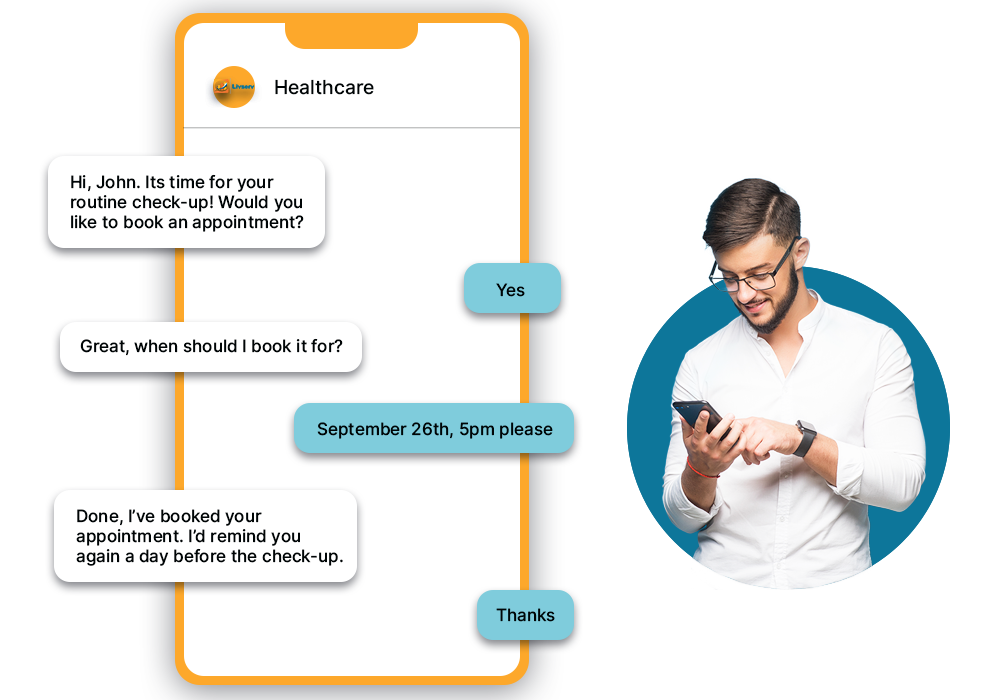
Figure 1: AI Chatbots Giving Personalized Experience Based on Customer Data
For instance, an e-commerce chatbot can recommend clothing items based on a customer’s previous purchases, browsing history, and stated preferences. Similarly, a travel chatbot can suggest personalized travel itineraries based on a customer’s desired destination, budget, and travel style.
Additionally, AI chatbots can increase customer retention rates and reduce churn, as customers are more likely to remain loyal to businesses that provide exceptional customer experiences.
Trend III: Conversational AI for Sales Enablement and Training
Conversational AI is rapidly expanding its role in the sales domain, not just as a customer-facing tool but also as a powerful force for sales enablement and training within organizations.
For instance, a conversational AI coach might identify a salesperson’s tendency to ask closed-ended questions that limit customer engagement. The AI system could then suggest incorporating more open-ended questions to encourage deeper conversations and gather more comprehensive customer insights.
Further, the adoption of conversational AI for sales enablement and training offers other significant benefits:
- Reduced Training Costs: Conversational AI tools can automate and streamline redundant sales processes, reducing the burden on sales managers and HR departments while providing personalized and effective training to a broader audience of salespeople.
- Adaptability to Changing Market Conditions: AI systems can continuously monitor market trends and customer preferences, enabling sales teams to adapt their strategies and remain competitive in a dynamic market.
Trend IV: Conversational AI for Automated Lead Nurturing
Lead nurturing is not merely a follow-up process; it’s a strategic approach to engaging leads and building relationships. Conversational AI, through AI-powered chatbots, has revolutionized lead nurturing by automating repetitive tasks and providing personalized interactions.
Conversational AI has transformed lead nurturing into a strategic and data-driven process, enabling businesses to engage leads effectively, increase conversion rates, and ultimately achieve sales success. Livserv.ai is happy to be at the forefront of it.
These chatbots can:
- Deliver automated campaigns: AI-powered chatbots can create and send targeted campaigns to leads, providing relevant content, personalized offers, and timely reminders. Learn more about Winning Back Your Cold Leads With WhatsApp Conversational Chatbots.
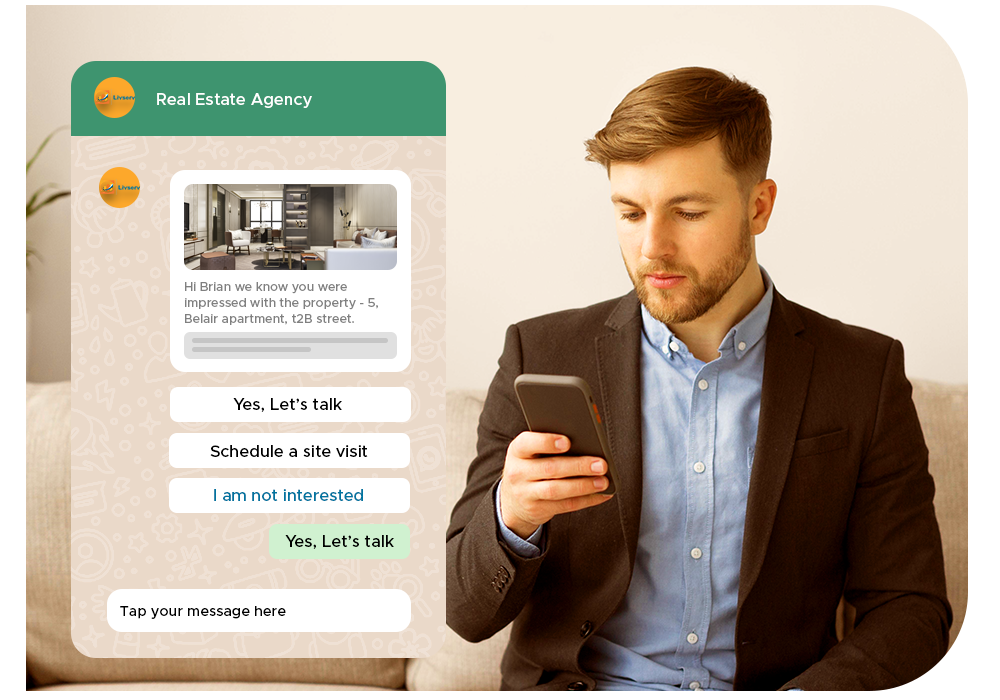
Figure 2: Churn Out Cold Leads
- Engage in targeted messaging: Chatbots can engage leads in real-time conversations, answering questions, addressing concerns, and providing personalized recommendations.

Figure 3: Ad Targeted Follow-Up with Conversational AI
- Offer tailored content and resources: AI systems can analyze lead data and interests to suggest relevant content, such as blog posts, webinars, or whitepapers, aligning with their specific needs.

Figure 4: Suggest Tailor Resources for Better Purchase Decision Making
Trend V: Conversational AI for Predictive Analytics and Sales Forecasting
Predictive analytics is a statistical process that utilizes historical data, machine learning algorithms, and statistical techniques to predict future events or outcomes. In the realm of sales, this translates into forecasting future sales numbers, identifying promising leads, and anticipating customer behavior.
Conversational AI like Livserv.ai can play a crucial role in predictive analytics by gathering and analyzing vast amounts of customer data. AI-powered chatbots and virtual assistants can collect information from customer interactions, purchase history, and social media engagement, providing a comprehensive view of customer behavior.
With the insights gained from conversational AI and predictive analytics, businesses can:
- Identify customer preferences: Analyze customer interactions, purchase patterns, and social media behavior to understand customer preferences, interests, and buying habits.
- Predict sales outcomes: Forecast future sales based on historical data, current market trends, and customer behavior patterns, allowing for informed decisions on inventory management, resource allocation, and sales strategies.
- Identify high-potential leads: Prioritize leads with a higher likelihood of conversion, enabling sales teams to focus their efforts on the most promising prospects.
- Anticipate customer churn: Predict customer churn rates, allowing businesses to implement proactive retention strategies and minimize customer loss.
As AI technology continues to evolve, its impact on sales funneling is bound to grow even more significant, shaping the future of sales success.
Sign up for a free trial of Livserv conversational AI and enhance your chatbot sales funnel.
If you liked what you read, comment down below.