Businesses must look to automate lead qualification, appointment scheduling, product information dissemination, order tracking, and customer feedback to adopt a streamlined and customer-centric approach. LLM chatbots or conversational AI provides the ideal solution to explore further.
In the rapidly evolving landscape of customer service and sales, Contact center automation has emerged as a pivotal tool for businesses seeking efficiency, scalability, and improved customer experiences. By leveraging technology, businesses can respond to customer inquiries more swiftly, adapt to changing demands, and optimize resource utilization, ultimately contributing to a more agile and competitive operation.
Large Language Model (LLM) chatbots, powered by advanced natural language processing (NLP) and machine learning (ML) technologies, are at the forefront of sales automation within contact centers. These chatbots can understand and generate human-like text, enabling them to engage in dynamic conversations with customers.
In the realm of sales, LLM chatbots play a transformative role by automating various aspects of the customer journey, from lead qualification to post-purchase support. Their ability to comprehend context, provide personalized responses, and adapt to diverse sales scenarios makes them instrumental in enhancing customer interactions and driving sales efficiency.
The overarching goal here is to emphasize the strategic advantage of integrating LLM chatbots into sales-focused contact centers, providing a roadmap for businesses looking to enhance their sales processes through the power of automation.
What is Contact Center Automation?
Contact Center Automation refers to technology and software solutions to streamline and automate various aspects of customer interactions within a contact center. Contact centers, also known as customer service centers or call centers, are hubs where customer inquiries, issues, and requests are addressed through various communication channels, including phone calls, emails, chat, and social media.
Automation in contact centers aims to improve operational efficiency, enhance customer experience, and optimize resource utilization. Here are some aspects of Contact Center Automation:
Interactive Voice Response (IVR) Systems: IVR systems use pre-recorded voice prompts and menu options to guide callers to the appropriate department or provide information without human intervention. This reduces the workload on human agents for routine inquiries.
CRM Integration: Automation often involves integrating Customer Relationship Management (CRM) systems with various contact center tools. This integration enables agents to access customer information, purchase history, and other relevant data during interactions, leading to more personalized and efficient customer service.
Quality Monitoring and Analytics: Automation tools can monitor and analyze customer interactions to assess agent performance, identify trends, and gather insights into customer satisfaction. This data-driven approach helps in making informed decisions for continuous improvement.
Automated Call Distribution (ACD): ACD systems automatically route incoming calls to the most suitable available agent based on predefined criteria, such as skills, workload, or priority. This ensures that customers are directed to the right person quickly, improving efficiency and reducing wait times.
Workflow Automation: Contact Center Automation includes streamlining internal processes and workflows. This may involve automating tasks such as data entry, ticket creation, and follow-up procedures to minimize manual effort and increase the speed of issue resolution.
Predictive Dialing: In outbound call centers, predictive dialing systems use algorithms to predict agent availability and call success rates, dialing multiple numbers simultaneously. This optimizes agent productivity by connecting them with live calls instead of dealing with unanswered or busy lines.
Chatbots and Virtual Assistants: Intelligent chatbots and virtual assistants powered by Natural Language Processing (NLP) and Machine Learning (ML) can handle common queries, provide information, and assist customers in real time through chat interfaces. They are especially effective in handling repetitive tasks and frequently asked questions.
The need for contact center automation is driven by the evolving demands of customers, the imperative for efficiency and scalability, the desire for a consistent customer experience, and the potential for cost savings and data-driven decision-making. As businesses navigate the complexities of the modern marketplace, contact center automation emerges as a strategic imperative for success.
Automate Calls Using LLM Chatbots for Maximizing Sales

Figure 1: Five Calls You Should Automate Using LLM Chatbots for Sales
Contact center automation has emerged as a powerful tool to streamline operations, reduce costs, and enhance the customer experience. Leveraging the capabilities of Large Language Model (LLM) chatbots for sales is a game-changer for businesses looking to stay competitive and boost their bottom line. Here are five crucial types of calls that can benefit from automation using LLM chatbots in your sales-focused contact center.
I. Qualifying Leads
Sales representatives often find themselves investing significant amounts of time gathering information and assessing leads individually. Another challenge lies in the inconsistency in the application of qualification criteria. Different sales representatives may interpret and apply lead qualification criteria differently, leading to variations in the evaluation process. The lack of standardization can result in missed opportunities or the pursuit of leads that may not align with the business’s strategic objectives.
Scalability is a pressing concern, especially for growing businesses or those dealing with high lead volumes. As the volume of leads increases, the manual qualification process becomes more challenging to scale. Sales teams may struggle to prioritize and address leads promptly, potentially missing out on valuable opportunities.
Human error is an inherent risk in manual lead qualification processes. Sales representatives might inadvertently overlook crucial details or make subjective judgments, leading to inaccuracies in lead evaluation. Such errors can result in the pursuit of leads with lower conversion potential or, conversely, the dismissal of leads that could have been valuable to the business.
On the contrary, Large Language Model (LLM) chatbots like that from Livserv.ai bring a new level of efficiency and accuracy to lead qualification processes. Here’s how they can address the challenges mentioned above:
- Real-Time Data Gathering: LLM chatbots can interact with leads in real-time, collecting essential information through natural language conversations. This allows for the immediate gathering of relevant data, eliminating delays associated with manual data entry.
- Consistent Application of Criteria: LLM chatbots follow predefined criteria consistently, ensuring that each lead is evaluated based on the same set of parameters. This standardization leads to more objective and fair lead qualification.
- Scalability: Chatbots are highly scalable. They can handle a large number of leads simultaneously, ensuring that every lead receives prompt attention. This scalability is crucial for businesses dealing with high lead volumes or those experiencing growth.
- Reduced Human Error: LLM chatbots operate with precision and are not prone to human errors. By automating the lead qualification process, businesses can significantly reduce the risk of inaccuracies in the evaluation of leads.
We had a client in the healthcare industry that implemented an LLM chatbot to engage with website visitors. It automated lead qualification based on predefined criteria, collecting key information through dynamic, conversational interactions.
As a result, Livserv.ai was able to deliver a 30% increase in the number of qualified leads and a 20% reduction in the time spent on lead qualification.
II. Appointment Scheduling
One of the key complexities in Appointment scheduling within sales contact centers arises from the need to align the availability of both customers and sales representatives. The potential for scheduling conflicts missed appointments, and time zone discrepancies add another layer of complexity to this critical aspect of the sales process.
Large Language Model (LLM) chatbots play a pivotal role in streamlining the appointment scheduling process within sales contact centers. By leveraging natural language processing capabilities, these chatbots can engage in dynamic conversations with customers to identify their availability, preferences, and the purpose of the appointment. This real-time interaction allows for efficient and accurate scheduling without the delays associated with manual back-and-forth communication.
LLM chatbots come equipped with a range of features that enhance their effectiveness in coordinating schedules.
- Firstly, they can seamlessly integrate with calendars, enabling them to access real-time availability information for both customers and sales representatives. This integration allows chatbots to propose and confirm appointment times instantly.
- Moreover, these chatbots are capable of sending automated reminders to both parties, reducing the likelihood of missed appointments. A simple integration of LLM chatbots with your existing CRM does the trick! Livserv’s platform can directly send reminders on WhatsApp.
- Further, in the event of scheduling conflicts or the need for rescheduling, LLM chatbots can efficiently handle the process by proposing alternative times, ensuring flexibility, and minimizing disruptions, all within the WhatsApp chat window or otherwise.
III. Product Information and FAQs
Customers rely on product details to make informed purchasing decisions. Providing accurate and consistent product information is paramount for businesses aiming to build trust with their customers. Inaccurate or inconsistent information can lead to misunderstandings, erode customer confidence, and potentially result in lost sales opportunities.
LLM chatbots play a crucial role in automating responses to frequently asked questions (FAQs), thereby improving the efficiency of customer interactions. By leveraging natural language processing capabilities, these chatbots can understand and interpret customer queries in real time. This enables them to provide accurate and instant responses to common questions related to product features, specifications, pricing, and other relevant details.
Check out how to build your first conversational AI for customer support in seven simple steps.
Automating the FAQ process not only saves time for both customers and support teams but also ensures that customers receive consistent and reliable information, fostering a positive customer experience.
Interestingly, LLM chatbots go beyond basic FAQ automation by incorporating personalization and recommendation features. Such chatbots can analyze customer preferences, purchase history, and behavior to tailor responses and product recommendations.
Livserv’s conversational AI provides the same level of customization creating a more enjoyable and relevant shopping experience for customers, increasing the likelihood of successful upselling and cross-selling. Personalized interactions contribute to building a stronger connection between the customer and the brand, fostering loyalty and repeat business.
We implemented LLM chatbots for a leading Canadian tech company to handle product queries during a product launch. The chatbots not only addressed common questions instantly but also offered personalized recommendations based on customer preferences.
This resulted in a 15% boost in cross-selling, demonstrating the effectiveness of chatbots in driving additional revenue through automated product information and recommendations.
IV. Order Tracking and Status Updates
In manual systems, the reliance on human input increases the risk of errors, leading to discrepancies in order status updates. Additionally, the complexity of order fulfillment processes, involving multiple stages such as processing, packaging, and shipping, poses challenges in maintaining real-time visibility. The lack of integration between order management systems and customer communication channels further compounds the difficulty in providing customers with up-to-date and precise information about their orders.
LLM chatbots offer a solution to the challenges in order tracking and status updates by automating responses. These chatbots can integrate with order management systems to fetch real-time information about the status and location of orders. Through natural language processing, chatbots can understand customer inquiries about order updates, providing instant and accurate responses. By automating this process, chatbots ensure that customers receive timely information about their orders without the need for manual intervention, reducing the risk of errors and enhancing overall efficiency.
The automation of order tracking and status updates through LLM chatbots has a significant impact on customer satisfaction and the post-purchase experience. Customers are more likely to have confidence in a brand that values transparency and keeps them informed throughout the order fulfillment process.
V. Customer Feedback and Surveys
Gathering customer feedback is critical for continuous improvement in the sales process. By actively seeking and analyzing customer feedback, businesses can make informed decisions, refine their sales approaches, and enhance overall customer satisfaction. However, deploying a dedicated human resource for the same can be resource-draining.
LLM chatbots can engage customers in dynamic and meaningful conversations. They can proactively seek feedback at various touchpoints in the customer journey, such as after a purchase, during a support interaction, or after a product demonstration. By automating this process, LLM chatbots ensure a consistent and scalable approach to collecting customer feedback, eliminating the need for manual outreach and making it more convenient for customers to share their opinions.
LLM chatbots excel in tailoring surveys to specific interactions, ensuring that the collected data is relevant and targeted. By dynamically adjusting the survey questions based on the context of the customer interaction, chatbots can gather specific insights related to product preferences, the effectiveness of sales presentations, or the quality of customer support.
We demonstrated the effectiveness of LLM chatbots in gaining insights and making improvements through automated customer feedback for our clients in the healthcare and wellness industry.
The insights gained from these automated surveys revealed specific pain points in the support process, leading to targeted training for support agents and a subsequent 20% improvement in customer satisfaction scores.
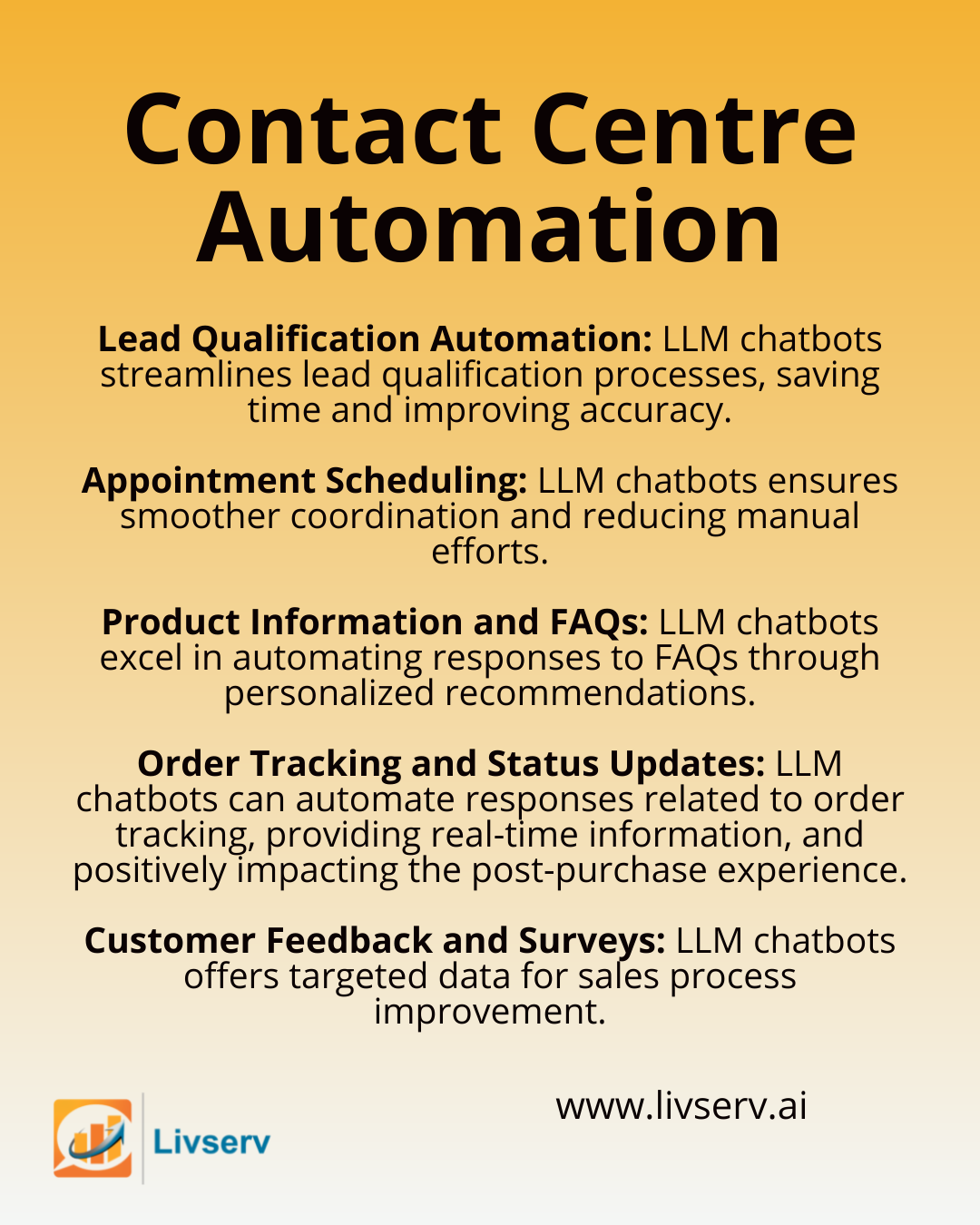
Figure 2: Benefits of Contact Centre Automation Using LLM Chatbots
Wrapping Up
The strategic advantage of implementing LLM chatbots in sales-focused contact centers is evident across various facets. These chatbots bring efficiency, accuracy, and scalability to critical sales processes. By automating lead qualification, appointment scheduling, product information dissemination, order tracking, and customer feedback, businesses can achieve a streamlined and customer-centric approach.
LLM chatbots, with their natural language processing capabilities, provide a personalized touch to customer interactions, enhancing engagement and satisfaction. The strategic integration of LLM chatbots empowers sales teams to focus on high-value tasks, ultimately driving sales growth and improving the overall customer experience.
Sign up today with Livserv and experience LLM chatbots for sales in action.